
1. Social Policies and Practices
The Company recognizes the importance of conducting business growth sustainably under the principles of Corporate Social Responsibility (CSR), with a focus on operating its business with care and responsibility toward stakeholders, the economy, society, and the environment through integrity, ethics, and good corporate conduct. The Company believes that conducting business under social responsibility principles will create benefits for society as a whole alongside the Company’s sustainable growth. The Company adheres to social practices under the Policy on Social, Environmental, and Stakeholder Responsibility for Sustainable Business and Society, which was approved by the Board of Directors Meeting No. 1/2024 on 19 July 2024, as follows:

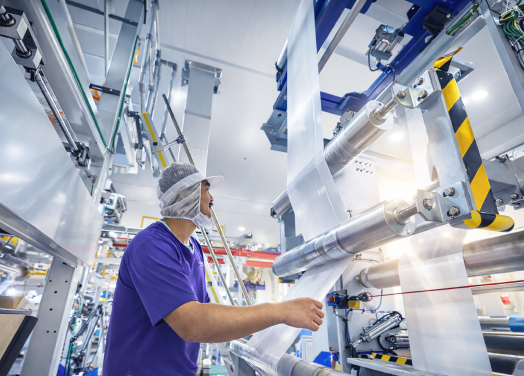
1. Labor Practices
The Company and its subsidiaries shall treat employees and workers fairly and provide appropriate living conditions, including social security, compensation funds, and employee welfare programs covering health insurance, protection, and insurance benefits. In addition, the Company promotes employee development through training programs, seminars, workshops, and participation in relevant academic and professional development activities to enhance employees’ knowledge, competencies, and capabilities. The Company also promotes positive attitudes, ethics, morality, and teamwork among employees. Furthermore, employees are encouraged to express opinions or report unfair treatment or misconduct within the Company, with appropriate protection provided to whistleblowers. The Company also fosters a work environment that prioritizes health, safety, and occupational hygiene, while supporting employees’ long-term career growth and sustainable professional development.
With respect to human resource management, the Company and its subsidiaries recognize the importance of annually reviewing human resource management policies, particularly enhancing preventive measures to address evolving risks and changing circumstances. The Company and its subsidiaries employ personnel of diverse nationalities; however, all employees are subject to the same Company regulations, which helps prevent racial and cultural discrimination. The Company strictly prohibits child labor, thereby facilitating effective management practices grounded in respect for human rights principles. These practices include employment based on job suitability for men, women, and persons with disabilities, as well as fair compensation based on job evaluation principles and benchmarking against comparable industries. The Company also provides training and capability development programs relating to occupational health, safety, and environmental management, which contribute to stronger employee engagement with the organization.
Regarding employment practices, the Company and its subsidiaries place importance on workforce management under fair employment policies appropriate to prevailing circumstances. The Company embraces diversity and provides opportunities to individuals regardless of gender, education level, religion, or ethnicity, without considering such differences as limitations to participation in the Company’s success. The Company also prioritizes the development of internationally recognized performance evaluation tools to ensure fairness, equality, and appropriateness for employees at all levels, while strictly complying with applicable labor laws and regulations.
2. Human Rights Protection
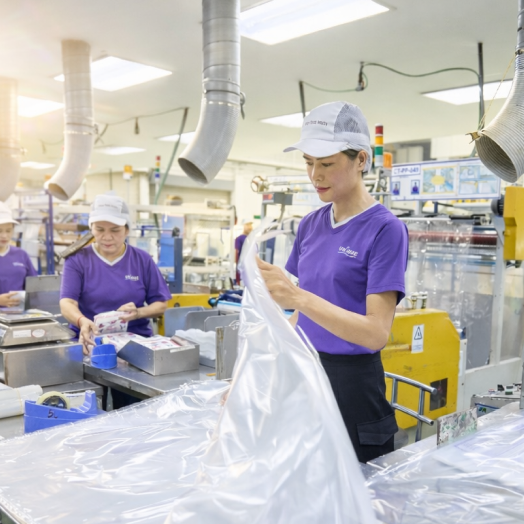
The Company and its subsidiaries have a policy to support and respect the protection of human rights by treating all related parties, including employees, surrounding communities, and society, with respect for human dignity while recognizing equality and fundamental freedoms. The Company does not violate basic human rights and prohibits discrimination on the basis of race, nationality, religion, language, skin color, gender, age, education, physical condition, or social status. The Company also ensures that its business operations are not involved in any human rights violations, such as child labor and sexual harassment. In addition, the Company promotes monitoring and compliance with human rights requirements by providing stakeholders with opportunities to express opinions and by establishing grievance mechanisms for individuals who may be adversely affected by human rights violations arising from the Company’s and its subsidiaries’ business operations, together with appropriate remediation measures.
On 15 January 2025, the Corporate Governance and Social Responsibility Working Committee (currently the Corporate Governance and Sustainability Working Committee) approved the appointment of the Human Rights and Labor Practices Working Committee (“HRLP Working Committee”), which reports directly to the Corporate Governance and Sustainability Working Committee. The primary responsibilities of the committee include promoting and communicating awareness and understanding of human rights and labor practices among personnel, assessing human rights and labor practice risks, defining management approaches and scopes for impact management, establishing preventive and remedial measures, and compiling and preparing impact assessment reports. The committee officially became effective on 1 February 2025.
The Company continuously promotes transparent and auditable operations and corporate governance practices. Whistleblowers may submit inquiries, complaints, or reports concerning legal violations, inaccuracies in financial reporting, deficiencies in internal control systems, or breaches of the Company’s business ethics through six available channels, including the Company’s website, telephone, email, written correspondence, and in-person reporting. The Company Secretary Department is responsible for receiving opinions and complaints, while management representatives and the Human Resources Department are responsible for receiving employee feedback and grievances. The Company has clearly established complaint handling procedures for customers, employees, and other stakeholders in order to protect the rights and privacy of complainants. All complainants are protected, and their personal information is kept strictly confidential and accessible only to relevant personnel. In cases where allegations of misconduct arise, the Company will appoint an investigation committee comprising senior executives and representatives from departments without conflicts of interest to investigate the matter and proceed in accordance with the Company’s disciplinary regulations, with findings subsequently reported to the Audit Committee and the Board of Directors.
The Company provides the following whistleblowing and complaint channels:


Mueang District, Samut Prakan 10280
Telephone: +66 2 703 6471-6 or Fax: +66 2 703 7640



3. Occupational Health and Safety Management
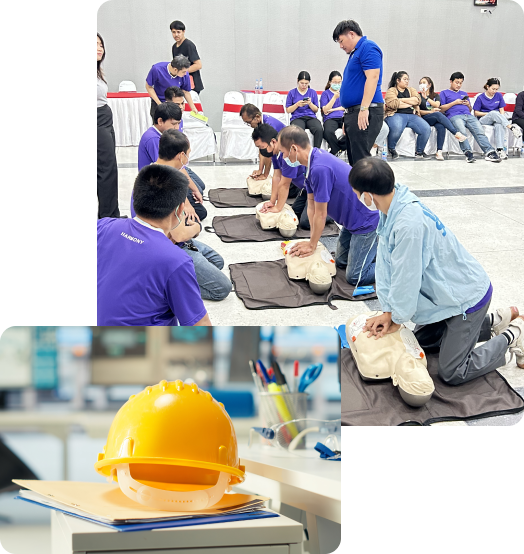
The Company has established a key objective of promoting a good quality of life and ensuring workplace safety for employees by fostering a safe working environment under the ISO 45001:2018 Occupational Health and Safety Management System standard. The Company recognizes that safety and good health are fundamental rights that every employee should receive. Accordingly, the Company places strong emphasis on the occupational health and safety of employees and stakeholders. The Company has therefore established policies to reduce occupational health and safety risks, including continuously reviewing and improving occupational health and safety practices and regularly updating operational guidelines to align with the Company’s current operations, as follows:
- Preventing and reducing fire risks to ensure the safety of employees and surrounding stakeholders.
- Providing resources to prevent and reduce risks of injuries and illnesses arising from work involving machinery and chemicals.
- Promoting and supporting health-related information to enhance the well-being and good hygiene of all employees.
- Fostering awareness of environmental, occupational health, and safety practices among employees at all levels.
- Focusing on reducing workplace injuries and fatalities by continuously controlling occupational risks.
4. Fair Operating Practices
The Company and its subsidiaries conduct business with Corporate Social Responsibility (CSR) under fundamental ethical principles in order to ensure fairness toward all relevant stakeholders. The Company also applies good corporate governance principles as a framework for maintaining a balance among economic, community, social, and environmental dimensions, which will contribute to sustainable business success. The Company and its subsidiaries support innovation at both the organizational process level and the inter-organizational collaboration level. Innovation refers to implementing new approaches and may also include changes in thinking and production processes in order to create added value. The objective of innovation is to generate positive change, improve processes and outcomes, and maximize benefits for society as a whole.

5. Consumer Responsibility
The Company and its subsidiaries shall treat customers with understanding and actively listen to customer feedback in order to make effective improvements. The Company is committed to continuously developing its products and services, as well as those of its affiliated companies, to maximize customer satisfaction and benefits. The Company also adheres to principles of responsibility, honesty, and attentive customer care as follows:
- The Company places importance on product quality and standards by focusing on the selection of products that are safe and compliant with international standards, while continuously improving service management systems to ensure that customers receive high-quality products and services and achieve the highest level of satisfaction.
- The Company continuously develops and sources new products to meet customer needs, enabling customers to access a diverse range of products that meet quality standards and specific requirements. The Company is committed to fair marketing practices and has established policies to ensure that customers receive accurate, clear, and non-misleading information regarding the Company’s products and services, without exaggeration, so that customers have sufficient and reliable information for decision-making.
- The Company prioritizes customer safety and is committed to ensuring that customers receive high-quality products and services that comply with international safety standards, regulations, and applicable legal requirements. The Company continuously designs, develops, and improves its products and services to strengthen customer confidence in the quality, standards, and safety of the Company’s products and services.
- The Company has established a customer relationship management system to facilitate communication with customers, including the effective handling of complaints regarding product and service quality through the Company’s website, enabling the Company to respond promptly to customer needs.
- The Company shall maintain the confidentiality of customer information and shall not misuse such information in any improper manner.

6. Community Engagement and Development
The Company and its subsidiaries recognize their responsibility toward communities and society in strengthening communities and genuinely contributing to society. The Company supports social assistance activities, improves the quality of life of people within communities, continuously promotes volunteer activities related to community and social development, and fosters awareness of responsibility toward communities, society, and the environment among employees at all levels. The Company and its subsidiaries shall treat communities and society with sincerity while encouraging participation in community development in alignment with the economic, social, environmental, and cultural context of each community. The Company promotes community strength in the areas of education, cultural preservation, and public health, while fostering safe and livable surrounding communities and society. In addition, the Company provides accurate information, promotes mutual understanding, listens to concerns, and cooperates constructively with communities and stakeholders.

2. Social Performance
1. 1. Education and Youth Development
The Company recognizes its role in supporting long-term human resource development by promoting education and learning opportunities for youth in nearby communities through collaboration with local educational institutions, such as Chalermmaneechai Wittayakarn School. Key projects implemented in 2025 are as follows:
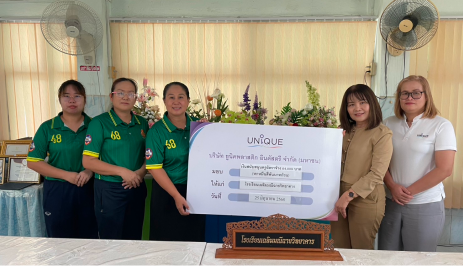
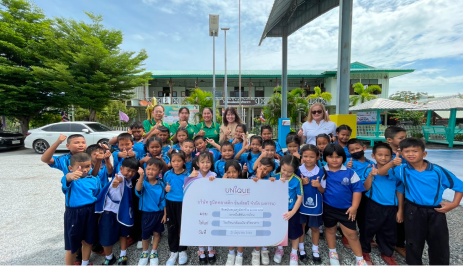
1.1 Financial Support for Contract Teachers at Chalermmaneechai Wittayakarn School
On 25 June 2025, Unique Plastic Industry Public Company Limited provided financial support for contract teacher salaries at Chalermmaneechai Wittayakarn School in the amount of THB 62,700. Ms. Areerat Ulitsathit, Chief Product Officer, and Ms. Monrada Yamsri, Quality System Management Department Manager, represented the Company in presenting the financial contribution and communicating the organization’s commitment to educational personnel. The Company remains dedicated to promoting educational development and creating learning opportunities for students at the school. The organization strongly believes in supporting and advancing education and considers that meaningful educational development must begin with its most important foundation — “teachers.”
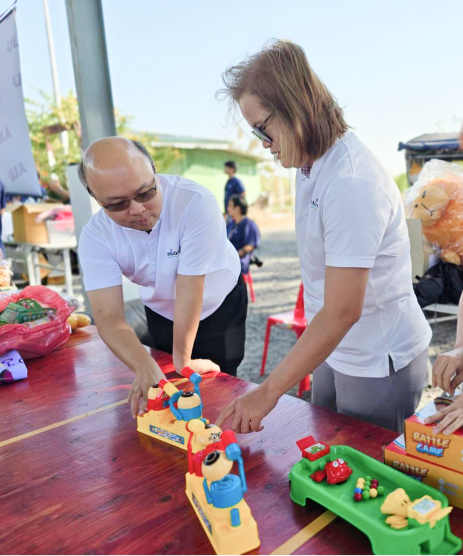
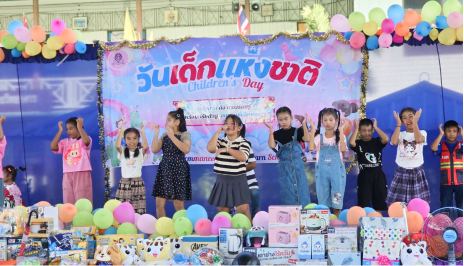
1.2 Children’s Day Activity at Chalermmaneechai Wittayakarn School
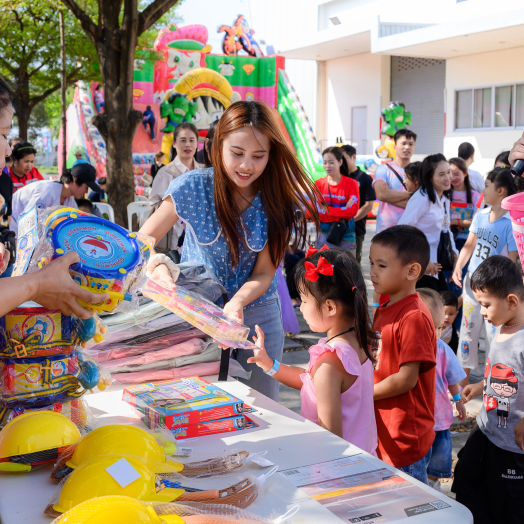
On Friday, 10 January 2025, Unique Plastic Industry Public Company Limited participated in the National Children’s Day 2025 activities, represented by Mr. Worabutr Lertittiporn, Chief Financial Officer, together with the UPI volunteer group. The event featured student performances from all grade levels, food booths organized by parents, and lucky draw activities. This activity helped create positive experiences for children and strengthened the good relationship between the Company and the educational institution.

1.3 Safety Kids Camp Project
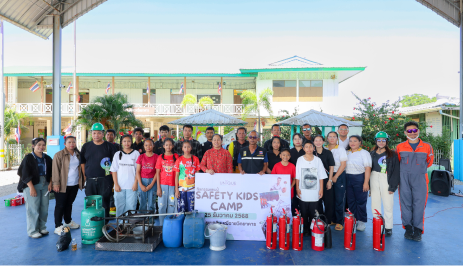
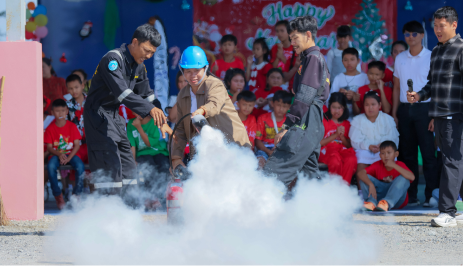
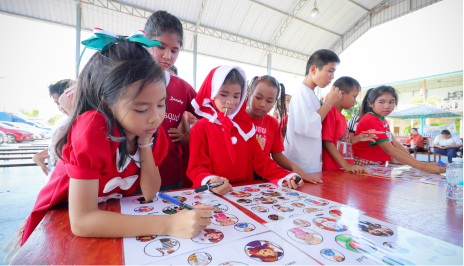
On 25 December 2025, the Corporate Communications Department, together with the Company’s Safety Department, organized the “Safety Kids Camp” activity in collaboration with Chalermmaneechai Wittayakarn School. The program provided students with basic safety knowledge through four activity stations as follows:
- What to Do When Lost
- Stranger Danger Awareness
- How to Survive if Trapped Inside a Vehicle
- Basic Firefighting Training
In addition to providing enjoyment and interactive learning experiences for students, the activity also equipped participants with practical safety knowledge that can be applied in real-life emergency situations.

2. Community Engagement and Development
The Company continuously carries out activities to support the development of communities surrounding its operational sites under the Policy on the Management of Stakeholder Impacts Throughout the Business Value Chain. The Company emphasizes community participation, stakeholder engagement, and responsiveness to local community needs in an appropriate manner.
2.1 Phanasond Community Safety Enhancement Project
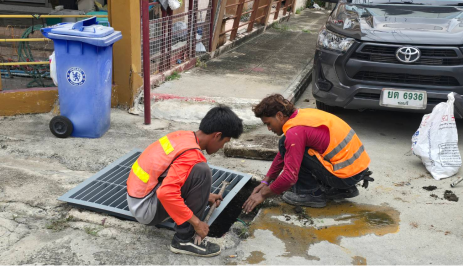
On Sunday, 20 July 2025, Unique Plastic Industry Public Company Limited implemented a community safety enhancement project by repairing drainage covers for the Phanasond Community (Phraeksa) in order to help prevent accidents within the community. The project was successfully completed and provided practical benefits to community members.
2.2 “Unique and Community United for Environmental Care” Activity
Unique Plastic Industry Public Company Limited conducted environmental activities in collaboration with local communities during October–December 2025 to promote community participation and raise awareness regarding the conservation of community resources and living environments. This project was implemented in cooperation with five communities as follows:
- Phanasond Community - 26 October
- Klompirun Community - 23 November
- Nakpirun Community - 30 November
- Petchngam Community - 14 December
- Jirapa 2 Community - 14 December
The activities included:
- Providing education on waste segregation and proper waste separation practices within the community.
- Distributing bioplastic garbage bags for use within community areas.
- Conducting joint community clean-up activities to create a cleaner and more livable environment.
This project reflects the collaborative efforts between the Company and local communities to create sustainable environmental and social improvements. The implementation of these projects has contributed to improving the quality of life of local residents, reducing environmental impacts, and strengthening positive relationships between the Company and surrounding communities.
3. Stakeholder and Value Chain Engagement
The Company places importance on systematically managing relationships with all stakeholder groups, including employees, customers, business partners, communities, and external organizations. The Company identifies stakeholder groups, analyzes their expectations, and establishes appropriate response approaches according to their respective roles within the business value chain.
Stakeholder engagement is conducted through various channels, including Employee Engagement Surveys, customer satisfaction assessments, monitoring of public complaints submitted to the Company, and community participation through CSR and volunteer activities. Information obtained from these channels is incorporated into the continuous improvement of policies, operational plans, and business practices.
1. Internal Stakeholders
1.1 Employees
Employee Engagement Survey
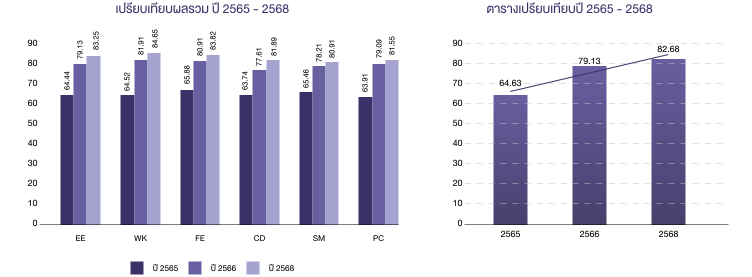
1. EE Employee Engagement (Overall Perception) ความผูกพันธ์ระหว่างพนักงานกับบริษัท
2. WK Work Itself & Processes กระบวนการทำงาน
3. FE Job Facilities & Environment (Physical) สิ่งอำนวยความสะดวกและสภาพแวดล้อม
4. CD Career Opportunities & Development โอกาสการก้าวหน้าและการพัฒนา
5. SM Supervisory & Management Style การให้คำแนะนำการบริหารจัดการ
6. PC Peers & Mutual Job Contribution เพื่อนร่วมงานและการมีผลงานร่วมกัน
Based on a comparison of employee engagement and working environment assessment results across six categories during 2022–2025, the overall scores showed a continuous upward trend in all categories, reflecting tangible improvements in the Company’s management practices and employee care initiatives.
The overall summary graph shows that the total score increased from 64.63 points in 2022 to 79.13 points in 2023 and further increased to 82.68 points in 2025. This demonstrates the Company’s continuous progress in enhancing employee engagement, satisfaction, and a positive working environment.
2. External Stakeholders
2.1 Customers
Customer Satisfaction Assessment Process and Performance Results for 2025
The Company recognizes customers as key external stakeholders who play a significant role in business operations, competitiveness, and long-term sustainable growth. The Company therefore focuses on building strong customer relationships while systematically listening to customer opinions, expectations, and feedback in order to continuously improve product quality, services, and operational processes.
Customer Satisfaction Assessment Process and Procedures
In 2025, the Company conducted regular customer satisfaction assessments in accordance with procedures established under its quality management system. The assessment covered both B2B customers and consumer product groups. Customers selected to participate in the assessment were based on customer lists representing approximately 80% of total sales within each product category, including key customers (Top Customers), to ensure that the assessment results appropriately reflected customer perspectives and provided meaningful insights for management purposes.
The questionnaires used in the assessment were revised and improved from the previous year to provide clearer and more appropriate questions, enabling the Company to comprehensively capture customer opinions, experiences, and key concerns. The assessment covered the following principal dimensions:
- Product Quality
- Product Delivery
- Service and Communication
- Pricing and Competitiveness
In addition, the Company provided opportunities for customers to submit additional comments through the Voice of Customer process to reflect customer opinions, needs, and recommendations beyond quantitative scoring alone.
Customer Satisfaction Assessment Results for 2025
The customer satisfaction assessment results for 2025 indicate that the Company was able to maintain an overall high level of customer satisfaction. The overall satisfaction score for the Consumer customer group was 91.99%. However, compared with the previous year, certain dimensions still received recommendations for further improvement. The Company has incorporated such feedback into its operational reviews and process improvement initiatives.
Overall, customers provided high scores for product quality, delivery performance, and service quality. At the same time, customer feedback highlighted areas requiring further improvement, including production and delivery lead times, responsiveness to inquiries and complaints, management of related documentation, and pricing competitiveness, particularly within the consumer products segment.
For business and industrial customers (B2B), the overall satisfaction score was 84.87%. The primary issues raised related to product quality, Corrective and Preventive Action (CAPA) processes, and the responsiveness and speed of coordination and information feedback. At the same time, some customers expressed satisfaction with the Company’s improvements in delivery performance and cooperation in urgent situations.
Issues and feedback received from customers are also incorporated into the Company’s consideration of material issues and related risk management processes in order to support sustainable business operations.
Utilization of Assessment Results and Continuous Improvement
The Company analyzes customer satisfaction assessment results and customer feedback together with relevant departments in order to improve product quality, customer service, and operational efficiency. Significant issues identified through the assessment process are integrated into improvement plans and continuously monitored to ensure effective implementation.
This approach reflects the Company’s commitment to sustainably strengthening customer relationships through active listening, continuous improvement, and responsiveness to customer expectations, thereby supporting long-term business operations and organizational growth.
2.2 Communities
The Company continuously monitors and reviews complaints that may affect the organization on an annual basis, covering issues that may impact communities surrounding its operational sites. Information obtained from this process is analyzed and used to improve operational procedures and establish preventive measures to avoid recurrence of similar incidents in the future. Based on the latest review, the Phraeksa Mai Subdistrict Administrative Organization confirmed that no complaints had been received from communities surrounding the factory. This reflects the effectiveness of the Company’s impact management measures and its ongoing engagement with local communities.
2.3 Suppliers / Business Partners
Supplier Assessment Process and Performance Results for 2025
The Company recognizes suppliers as key external stakeholders who play an important role in ensuring supply chain continuity, product quality, and operational efficiency. The Company therefore emphasizes building strong relationships and working collaboratively with suppliers in a fair, transparent, and sustainable manner, while establishing systematic supplier selection and evaluation processes. These processes are used to support product quality control, risk management, and the continuous improvement of joint operations.
Supplier Assessment Process and Procedures
In 2025, the Company conducted supplier selection and evaluation under clearly established procurement procedures, covering suppliers included in the Approved Vendor List (AVL), which consists of suppliers directly providing products and services to the Company. Supplier evaluations were conducted continuously throughout the year, with evaluation results compiled and reported twice annually to ensure regular monitoring of supplier performance.
The evaluation criteria covered key dimensions including product and service quality, delivery punctuality, service and communication, compliance with Company requirements, and occupational health, safety, and environmental standards. The evaluation results were analyzed to categorize suppliers according to risk levels and to determine improvement or development approaches in cases where deficiencies were identified.
In addition, the Company conducted product and manufacturing process audits at suppliers’ production facilities and promoted environmentally responsible procurement practices (Green Procurement) to support responsible business operations throughout the supply chain.
Supplier Assessment Results for 2025
The supplier assessment results for 2025 indicate that the Company’s suppliers were generally able to comply with the requirements and standards established by the Company. Supplier evaluations were conducted in two assessment periods covering the first half and second half of the year, including suppliers of raw materials, production materials, molds, printing inks and mixing oils, as well as various service providers.
During the first half of the year (1 January – 30 June 2025), the Company evaluated 80 suppliers, all of whom passed the evaluation criteria. During the second half of the year (1 July – 31 December 2025), the Company evaluated 81 suppliers, and all suppliers likewise passed the evaluation criteria.
These assessment results reflect suppliers’ capability to deliver products and services in accordance with the Company’s quality, delivery, and service requirements. The Company systematically maintains supplier evaluation reports and communicates evaluation results to suppliers to support the continuous improvement of joint operations in the future.
Utilization of Assessment Results and Continuous Improvement
The Company analyzes supplier assessment results together with relevant departments in order to improve supply chain management, quality control, and related risk management processes. The Company focuses on working collaboratively with suppliers to continuously elevate operational standards while promoting responsible procurement practices to support sustainable business operations and long-term organizational growth.
4. Human Rights and Human Capital Management
The Company places importance on respecting human rights and ensuring fair labor practices throughout its business operations. The Company has established policies on human rights and labor practices as key operational guidelines for employees at all levels, as well as for suppliers and contractors involved in the Company’s business activities. These policies cover non-discrimination, labor protection, the prohibition of forced labor and child labor, the promotion of safe working environments, and respect for human dignity.
With respect to human capital development, the Company aims to enhance employees’ quality of life and well-being through the “Happy Workplace Program,” which includes improvements to workplace environments to ensure hygiene and safety standards. Such initiatives include upgrading cafeteria facilities to meet sanitation standards, installing ventilation and exhaust systems in food preparation areas, increasing fresh food storage equipment, improving office spaces and utility buildings within factory premises, and repairing and upgrading work areas to support employee efficiency and workplace safety.
In addition, the Company has established a Whistleblowing Mechanism to provide employees and stakeholders with secure and confidential channels to report concerns relating to ethics, human rights, and inappropriate practices.
Training and Human Capital Development Management
The Company places significant importance on developing and enhancing the capabilities of personnel at all levels in order to strengthen long-term sustainable competitiveness. Training and development management is systematically conducted through the “SKILL MATRIX” framework together with data management and planning based on the “HRD Blueprint,” which serves as a fundamental foundation of the Company’s internal human capital development system.
The Company’s training approach is categorized into five main areas as follows:
1. Legally Required Training
The Company conducts training programs in full compliance with labor and occupational safety laws and standards, including:
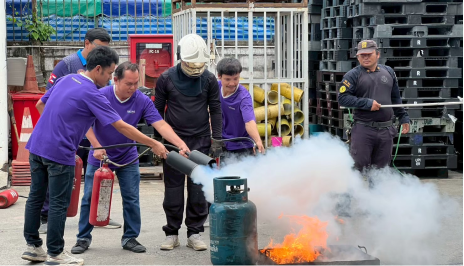
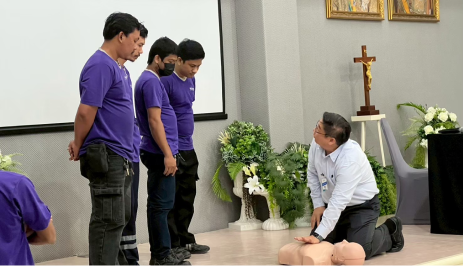
- Basic First Aid Training
- Basic Firefighting Training
- Safety Officer Training for Supervisory and Executive Levels
- Safety Committee Training
- Working at Height Training
- Electrical Safety Training
These programs are designed to enhance employees’ knowledge and understanding so that they can perform their duties safely and in compliance with applicable laws and regulations.
2. Functional and Operational Skills Development
The Company continuously plans and reviews training programs for operational roles at each level to ensure that employees clearly understand work procedures and comply with the organization’s operational standards.
3. Emotional Intelligence and Interpersonal Skills Development
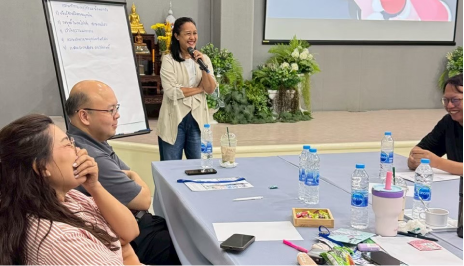
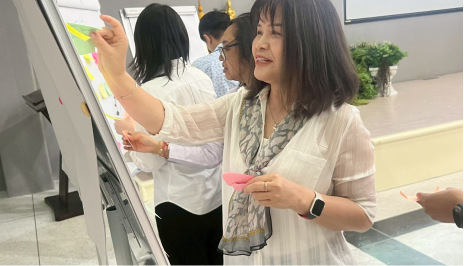
The Company places importance on developing emotional intelligence and self-management mindsets in order to strengthen leadership capabilities at all organizational levels. In 2025, the Company organized nine sessions of the StrengthsFinder program for senior executives in collaboration with Mindspring Group Co., Ltd. The program received highly positive feedback, and the Company plans to expand the training to middle management in the following year in order to establish sustainable organizational leadership development standards.
4. Management Skills Development
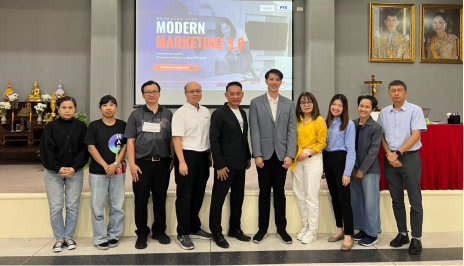
The Company provides training programs in key areas aligned with modern management practices, including:
- Director Accreditation Program (DAP)
- ESG in the Boardroom: A Practical Guide for Board (ESG)
- Modern Marketing
The Company also conducts training in international management system standards, including:
- ISO 9001
- ISO 14001
- ISO 45001
- ISO 50001
- Food Safety System Certification 22000 (FSSC 22000)
- GMP & HACCP
- SMETA 4-Pillar
These programs aim to strengthen management capabilities and improve operational quality in accordance with international standards.
5. Language and Computer Skills Development
The Company recognizes the importance of communication and technology skills in the digital era and therefore promotes continuous language development for both Thai and foreign employees.
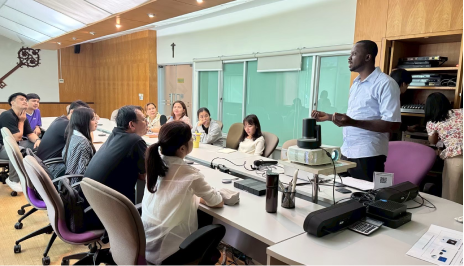
- For foreign employees, the Company provides Thai language training to support effective communication and teamwork.
- For Thai employees, the Company organizes English proficiency assessments and defines language competency levels for each position to support employee development and career progression pathways.
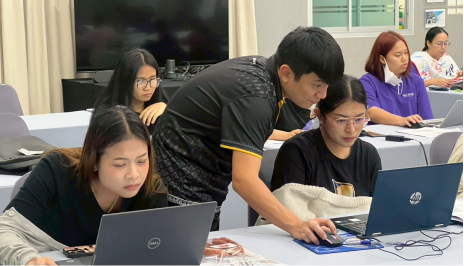
With regard to computer skills, the Company established foundational Microsoft Excel training programs during 2024–2025 and plans to implement computer proficiency assessments in 2026. The Company also plans to expand training programs in Microsoft Word and Microsoft PowerPoint in 2027 to further develop employees’ ability to utilize technology effectively as a productivity enhancement tool.
Training Statistics for 2025
In 2025, the Company conducted a total of 114 training programs, which were distributed across employees at all organizational levels as follows:
| Fiscal Year | 2025 | 2024 | Unit |
|---|---|---|---|
| Number of Training Courses | 114 | 116 | Courses |
| Managers | 100% | 100% | Percentage of Total Employees |
| Supervisors / Engineers | 94% | 90% | Percentage of Total Employees |
| Officers | 52% | 61% | Percentage of Total Employees |
| Operators / Technicians | 64% | 67% | Percentage of Total Employees |
The data indicates that the number of training programs conducted in 2025 decreased compared with 2024. This was primarily because 2024 represented a transition period following the recovery from the COVID-19 pandemic, during which training activities had been postponed for approximately two years. As a result, a significant number of training programs were conducted in 2024 to reassess and enhance employee competencies. Nevertheless, the Company continues to consistently develop employees’ knowledge and skills across all organizational levels.
The Company remains committed to continuously developing and enhancing the capabilities of personnel at all levels under the concept of
“Quality People for a Quality Organization,”
while advancing toward becoming a sustainable learning organization in the future.
Occupational Health and Safety
The Company places significant importance on occupational health and safety for employees, contractors, and all related parties as a key aspect of sustainability management within the social dimension. The Company focuses on accident prevention, the prevention of work-related illnesses, and the reduction of occupational health risks through the establishment of systematic occupational health and safety policies, measures, and management processes covering all operational activities.
Occupational Health and Safety Management System
The Company manages occupational health and safety under a framework aligned with relevant laws and international standards. Clear roles and responsibilities have been assigned to management, the Safety Committee, and relevant departments to ensure that occupational health and safety operations are continuously implemented and effectively monitored.
The Company emphasizes risk assessment and hazard control from the stages of work design, machinery improvement, production processes, and workplace environment management. The concepts of Safety by Design and the hierarchy of risk control measures are applied to prevent accidents and reduce the likelihood of harm to employees.
Communication, Participation, and Consultation
The Company promotes employee participation in occupational health and safety through regular communication, safety meetings, training sessions, and awareness campaigns. Employees are also encouraged to provide suggestions, report unsafe conditions, and report accidents or near-miss incidents through appropriate channels in order to support a strong workplace safety culture.
Occupational Health Risk Prevention and Control
The Company implements comprehensive occupational health measures, particularly concerning risks arising from physical factors such as noise exposure. Measures include hearing conservation programs, noise level monitoring, health examinations for employees working in high-risk areas, the provision of appropriate personal protective equipment (PPE), and employee education and training to prevent long-term health impacts.
Occupational Health and Safety Performance in 2025
In 2025, the Company continuously monitored and assessed occupational health and safety performance using key safety indicators such as workplace accident rates, lost-time injury rates, and other relevant safety metrics to evaluate the effectiveness of preventive and risk control measures.
The monitoring results were analyzed and used to review safety measures, establish future targets and action plans, and improve workplace conditions, safety training, and safety communication effectiveness.
Summary of Occupational Health and Safety Indicators (2023–2025)
| Year | Working Hours (Hours) |
IFR (Injury Frequency Rate) |
ISR (Injury Severity Rate) |
LTI (Lost Time Injury Rate) |
ASI (Average Severity Index) |
|---|---|---|---|---|---|
| 2023 | 1,334,725.77 | 7.49 | 78.67 | 4.49 | 10 |
| 2024 | 1,880,192.73 | 2.13 | 0.00 | 0.00 | 0 |
| 2025 | 1,854,891.51 | 4.31 | 28.03 | 2.69 | 7 |
IFR, ISR and ASI Trends (2023-2025)
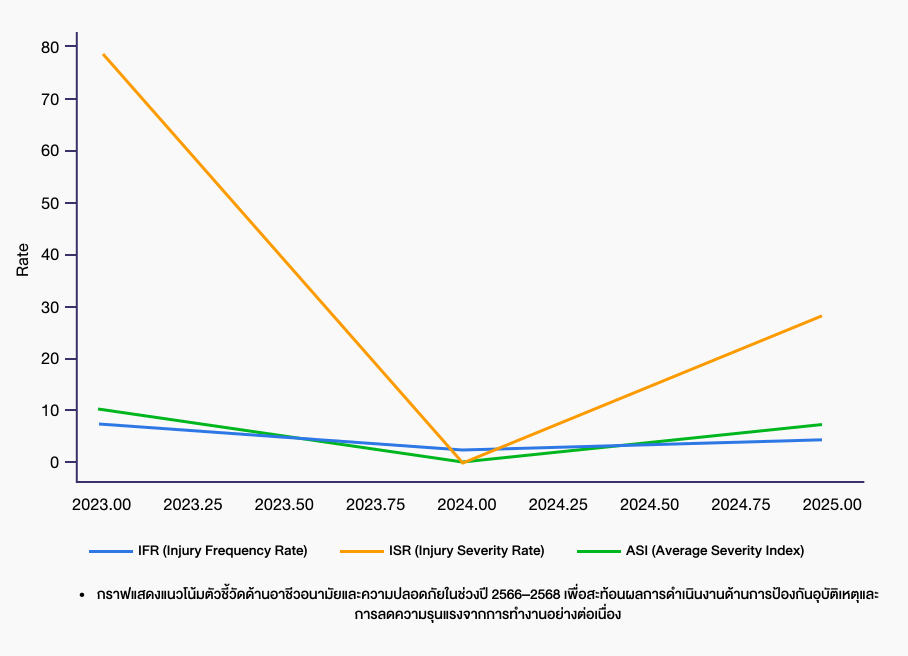
In 2025, the Company continuously monitored and evaluated its occupational health and safety performance, with total working hours amounting to 1,854,891.51 hours. The performance results indicate that the Injury Frequency Rate (IFR) was 4.31 and the Injury Severity Rate (ISR) was 28.03. Although these figures increased compared with the previous year, they remained significantly lower than the levels recorded in 2023.
The Lost Time Injury Rate (LTI) in 2025 was 2.69, while the Average Severity Index (ASI) was 7. These results reflect the effectiveness of the Company’s safety measures, risk control processes, and continuous occupational health and safety communication initiatives. The Company has analyzed these performance results in order to review and further improve safety measures and occupational health and safety action plans for future implementation.
The Company places importance on creating equal opportunities and ensuring fair treatment of employees by adhering to the principles of equality, diversity, and non-discrimination as key guidelines in human resource management throughout the business value chain. This approach is aligned with the Company’s human rights and labor practices policies, as well as its principles of good corporate governance, which aim to promote the potential of all employees regardless of gender, age, or any other personal status.
Workforce Structure and Gender Diversity
As of 31 December 2025, the Company and its subsidiaries employed a total of 985 employees (excluding executives). The workforce structure appropriately reflects gender diversity across the organization. Female employees play significant roles in several functions, particularly in support functions, finance and accounting, human resources, quality management, and business-related functions. Meanwhile, male employees account for a larger proportion of personnel in production, technology, and operational functions, which is consistent with the characteristics of the manufacturing industry.
This workforce structure reflects the Company’s commitment to providing both female and male employees with equal opportunities to work and perform in a variety of functions according to job suitability and individual capabilities, without gender-based restrictions on access to employment opportunities.

| No. | Function | Number of UNIX Employees (Persons) | |||||||||||
|---|---|---|---|---|---|---|---|---|---|---|---|---|---|
| 2023 | 2024 | 2025 | |||||||||||
| Male | Female | Male | Female | Male | Female | ||||||||
| Amount | % | Amount | % | Amount | % | Amount | % | Amount | % | Amount | % | ||
| 1 | Production Division | 207 | 31.51 | 162 | 24.66 | 211 | 30.23 | 158 | 22.64 | 211 | 30.54 | 151 | 21.85 |
| 2 | Supply Chain Division | 75 | 11.42 | 35 | 5.33 | 80 | 11.46 | 45 | 6.45 | 81 | 11.72 | 43 | 6.22 |
| 3 | Product Division | 6 | 0.91 | 63 | 9.59 | 4 | 0.57 | 64 | 9.17 | 3 | 0.43 | 67 | 9.7 |
| 4 | Technology Division | 33 | 5.02 | 4 | 0.61 | 39 | 5.59 | 3 | 0.43 | 35 | 5.07 | 3 | 0.43 |
| 5 | Finance and Accounting Division | 3 | 0.46 | 16 | 2.44 | 5 | 0.72 | 22 | 3.15 | 12 | 1.74 | 15 | 2.17 |
| 6 | Business Division | 7 | 1.07 | 8 | 1.22 | 7 | 1 | 12 | 1.72 | 7 | 1.01 | 13 | 1.88 |
| 7 | Human Resources Department | 10 | 1.52 | 20 | 3.04 | 10 | 1.42 | 16 | 2.29 | 7 | 1.01 | 15 | 2.17 |
| 8 | Human Resource Development Department | - | - | - | - | 2 | 0.29 | 8 | 1.15 | 2 | 0.29 | 8 | 1.16 |
| 9 | Information Technology Department | 4 | 0.61 | - | - | 7 | 1 | - | - | 7 | 1.01 | - | - |
| 10 | Others | 3 | 0.46 | 1 | 0.15 | 2 | 0.29 | 3 | 0.43 | 4 | 0.58 | 7 | 1.01 |
| Total Employees | 657 | 698 | 691 | ||||||||||
| Department | Number of UPIM Employees (Persons) | |||||||||||
|---|---|---|---|---|---|---|---|---|---|---|---|---|
| 2023 | 2024 | 2025 | ||||||||||
| Male | Female | Male | Female | Male | Female | |||||||
| Amount | % | Amount | % | Amount | % | Amount | % | Amount | % | Amount | % | |
| Production Department | 67 | 29.78 | 106 | 24.66 | 211 | 30.23 | 158 | 22.64 | 211 | 30.54 | 151 | 21.85 |
| Quality Assurance Department | - | - | 21 | 9.33 | - | - | 24 | 9.6 | - | - | 17 | 6.59 |
| Logistics and Planning Department | 10 | 4.44 | 1 | 0.44 | 15 | 6 | 2 | 0.8 | 18 | 6.98 | 8 | 3.1 |
| Maintenance Department | 10 | 4.44 | - | - | 16 | 6.4 | - | - | 19 | 7.36 | - | - |
| Human Resources Department | 2 | 0.89 | 6 | 2.67 | 3 | 1.2 | 6 | 2.4 | 1 | 0.39 | 10 | 3.88 |
| Accounting Department | - | - | 1 | 0.44 | - | - | - | - | - | - | - | - |
| Purchasing Department | - | - | 1 | 0.44 | - | - | 1 | 0.4 | - | - | 1 | 0.39 |
| Others | - | - | - | - | - | - | - | - | - | - | - | - |
| Total Employees | 225 | 250 | 258 | |||||||||
Participation of Women in Management and Supervisory Positions
The Company places importance on the equal development of employee capabilities and career advancement opportunities by providing female employees with opportunities to progress into supervisory and management positions based on their competencies and experience. Based on the workforce structure data for 2025, female employees accounted for a significant proportion of supervisory and managerial positions across various departments within both the Company and its subsidiaries. This reflects the Company’s human resource management approach, which prioritizes individual capabilities and performance over gender considerations.
In addition, the Company monitors the proportion of female employees and female executives as part of its human capital development planning for the future. This approach supports diversity of perspectives in decision-making, team management, and long-term organizational development, which are important factors in strengthening sustainable competitiveness.

Equal Compensation and Benefits
The Company establishes its compensation and benefits structure based on fairness, transparency, and suitability to job responsibilities without gender discrimination. Female and male employees are provided with equal opportunities to access compensation, salaries, bonuses, overtime pay, and benefits under the same compensation structure, including the right to participate in the provident fund scheme, which helps promote long-term financial security for employees on an equal basis.
Non-Discrimination and Rights Protection Mechanisms
The Company has a clear policy against discrimination and does not tolerate harassment or any form of inappropriate treatment. The Company has also established accessible grievance and whistleblowing mechanisms for all employees, with strong consideration given to the privacy and safety of complainants.
Over the past three years, the Company has not encountered any significant labor disputes or discrimination cases. This reflects the effectiveness of the Company’s human resource management practices and its efforts to cultivate an organizational culture that respects diversity and equality.
The Company remains committed to continuously strengthening equal opportunity and gender equality initiatives. The Company plans to further enhance its systematic monitoring of workforce structure and career progression data in order to support the development of policies, targets, and human resource management approaches that align with the organization’s future growth.
Outcomes and Future Directions
The Company’s social performance in 2025 reflects the effective implementation of its policies into concrete actions through projects covering employee well-being, educational support, and community development. Although certain initiatives are still in the expansion phase, the Company has incorporated lessons learned into the continuous improvement of its social management processes to enhance effectiveness and operational efficiency.
Going forward, the Company plans to further strengthen the establishment of social targets, performance indicators, and monitoring systems to ensure greater clarity and systematic management. These efforts are intended to align with FTSE Russell assessment frameworks and international best practices, while creating sustainable shared value for stakeholders and society as a whole.